



Give with Heart. Give with Wisdom.
Strategic philanthropy for Christian anti-trafficking ministries

The John McKenna Legacy Fund helps generous donors invest in survivor-centered organizations that have been evaluated for effectiveness, accountability, and long-term impact.
Your Giving Can Change Everything
…if it reaches the right hands.
Most donors want to help survivors.
Few have the expertise to determine which organizations are equipped to produce lasting outcomes.
The Legacy Fund exists so you don’t have to become an anti-trafficking expert before making a meaningful gift.
Survivor-centered
Expertly governed
Fully accountable
Why This Fund Exists
THE CHALLENGE
- Not every organization is equally effective
- Marketing isn’t the same as impact
- Survivors deserve more than good intentions
OUR SOLUTION
The Legacy Fund combines expert field knowledge along with rigorous vetting and strategic grantmaking that provide measurable outcomes.
Why Donors Trust the Institute
19+
Years serving trafficking survivors
250+
Survivor-serving organizations equipped nationally
39+
National Research Reports guiding grant decisions
Stewardship You Can Trust
✓ Independent financial oversight
✓ Annual impact reporting
✓ Survivor-informed standards
✓ Geographic and service landscape gap analysis
✓ Transparent grantmaking
How Giving Works
1. You give
2. Gifts are stewarded
3. Experts evaluate organizations
4. Grants are awarded
5. Outcomes are measured
6. You receive an annual impact report
Become Part of a Legacy
Your generosity deserves the same wisdom and care as your investments.
Why the Legacy Fund
You Feel the Call. Give with Confidence.
Your generosity can change lives—but lasting impact requires thoughtful stewardship. The John McKenna Legacy Fund applies decades of expertise to identify and support Christian organizations providing exceptional, survivor-centered care.
Your calling is to give. Ours is to ensure every gift creates lasting impact.
“Learn to do right; seek justice. Defend the oppressed.” — Isaiah 1:17
Exceptional survivor care requires experienced leadership, trauma-informed practices, financial stability, and long-term commitment. These qualities aren’t always visible to donors.
The Legacy Fund evaluates organizations through the lens of expertise—not popularity—so your generosity reaches ministries with the greatest potential for lasting impact.
Every grant is guided by decades of experience, national research, and a comprehensive understanding of survivor care. We invest where funding can strengthen organizations, expand services, and improve outcomes for survivors.
Meeting those needs requires organizations with the expertise and capacity to provide long-term, restorative care. The Legacy Fund invests in ministries equipped for that journey.
They combine evidence-based, trauma-informed practices with Christ-centered compassion—serving every survivor with dignity while offering spiritual support that is always available and never coerced.
Our national research reveals that many survivors intentionally seek Christian programs because they value both practical support and spiritual restoration.
- 85% relocated for specialized services
- 75% intentionally chose a faith-based program
- 91% felt accepted without pressure to participate in religious activities
- 84% ultimately identified as Christian during or after their healing journey
- These findings affirm that faith-based care is both effective and deeply valued by many survivors
The Institute’s national perspective helps identify critical gaps in care, whether expanding services for minors or men, strengthening addiction recovery supports, or addressing emerging needs across the survivor care continuum. Rather than funding what is most visible, the Legacy Fund invests where strategic philanthropy can have the greatest impact.
You don’t have to become an expert in survivor care to make an extraordinary difference.
The Legacy Fund’s trustees provide the research, discernment, and oversight behind every grant, ensuring your generosity is invested wisely and faithfully.
Ours is to ensure every gift creates lasting impact.
How We Make Grant Decisions
Every grant is guided by rigorous evaluation, survivor-centered principles, and a commitment to measurable impact.
We invest in organizations that demonstrate both compassion and excellence.
Every applicant is evaluated on:
- Leadership – Experienced, mission-driven leadership with a clear vision
- Financial Health – Sound financial practices and responsible stewardship
- Survivor Outcomes – Evidence of meaningful, lasting impact in survivors’ lives
- Governance – Strong oversight, accountability, and ethical operations
Survivors deserve care that honors their dignity, autonomy, and unique journey. Every organization we fund demonstrates trauma-informed, survivor-centered practices that promote healing, restore hope, and respect the voice and choice of every individual.
Needs vary across the country and throughout a survivor’s healing journey. We invest where the gaps are greatest—whether expanding care for minors or men, strengthening addiction recovery, supporting long-term residential programs, or addressing other critical needs identified through our national perspective.
We believe donors deserve to know the difference their generosity is making.
- Annual Impact Reports – Clear reporting on grants awarded and lives impacted
- Outcome Measurement – Ongoing evaluation to ensure grants produce meaningful results
- Financial Transparency – Independent oversight and responsible stewardship of every dollar
Giving with confidence begins with giving wisely. Every grant reflects our commitment to steward your generosity with integrity, discernment, and a relentless focus on helping survivors heal.
Meet the Legacy Fund
John McKenna
Namesake of the Legacy Fund

John McKenna’s life has been marked by faithful generosity, servant leadership, and a deep commitment to advancing God’s Kingdom. The Legacy Fund honors his belief that wise stewardship and compassionate giving can create lasting change for generations to come.
Carolyn Potter
Legacy Fund Director

Carolyn Potter has dedicated more than 25 years to child advocacy and survivor care. As CEO of The WellHouse, one of the nation’s leading residential programs for survivors of human trafficking, she has helped shape best practices in restorative care while mentoring emerging programs across the country. With a master’s degree in professional counseling and decades of nonprofit leadership, Carolyn brings deep expertise, compassionate stewardship, and a passion for helping donors create a lasting legacy of impact.
Dr. Jeanne Allert
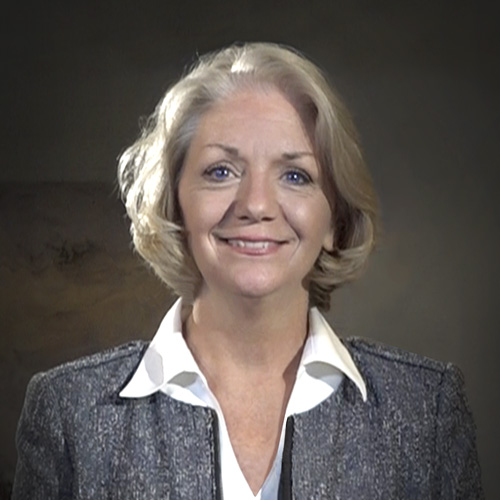
Dr. Jeanne Allert is a nationally recognized leader in survivor care with more than 20 years of experience serving victims of sexual exploitation. A researcher, author, and advocate, she has dedicated her career to equipping Christian organizations with the knowledge and tools to provide exemplary, survivor-centered care.

Patricia Livingston partners with donors, foundations, and financial professionals to expand philanthropic impact. Drawing on decades of leadership in banking and relationship management, she helps families invest in opportunities that create lasting change for survivors while reflecting their values and legacy.
Institute for Survivor Care
Host and Fund Administrator
The Institute for Survivor Care is a national Christian nonprofit dedicated to equipping organizations that serve survivors of sexual exploitation. Through research, training, technology, and strategic leadership, the Institute strengthens survivor care nationwide and provides the expertise and oversight behind every Legacy Fund grant.
Legacy Fund Trustee
Susan Ingram is the founder of Walk Her Home and a longtime advocate for survivors of sexual exploitation. She also served as the founding chair of the National Trafficking Sheltered Alliance, helping strengthen collaboration and excellence among survivor-serving organizations nationwide. Her experience in nonprofit leadership and survivor advocacy brings valuable insight to the Legacy Fund’s grantmaking.
Legacy Fund Trustee
Jeannie Walston is an attorney and serves as General Counsel for The WellHouse, a nationally recognized residential program for survivors of human trafficking. Her expertise in legal advocacy, nonprofit governance, and survivor-centered services helps ensure the Legacy Fund upholds the highest standards of stewardship and accountability.
Legacy Fund Trustee
Cynthia Terlouw-Kvistad served as Executive Director of Terebinth Refuge, a residential ministry serving women healing from sexual exploitation and trafficking. A respected leader in survivor care and former shelter mentor with the Institute for Survivor Care, she brings extensive experience in residential programming, organizational leadership, and trauma-informed care to the Legacy Fund.